
There’s a wealth of scientific knowledge just outside the classroom doors. Primary school teachers can tap into it with easy science experiments that investigate organic chemical reactions and the natural world.
Outdoor learning offers many benefits to young students. It reduces stress, improves their relationship with nature, and supports independent thinking.
Teaching outside gives children the freedom to explore scientific concepts in an interactive way – a great supplement to classroom lessons and science books. It also promotes social development and problem-solving skills.
This guide includes fun experiments you can conduct outdoors with your Key Stage 1 (KS1) and Key Stage 2 (KS2) students.
In this post:
Key Takeaways
Outdoor science experiments should include clear objectives and promote scientific enquiry, data recording, and hands-on learning
Science experiments for KS1 students demonstrate basic concepts that align with topics defined in the national curriculum
Science experiments for KS2 students build on the knowledge learned in KS1 and encourage critical thinking
Safety is essential when conducting outdoor science experiments, and teachers must take simple proactive measures to protect students
What Makes a Good Science Experiment?
Simplicity is the best approach when organising easy science experiments for your KS1 and KS2 students. Each one should help children ask questions, make predictions, and draw conclusions.
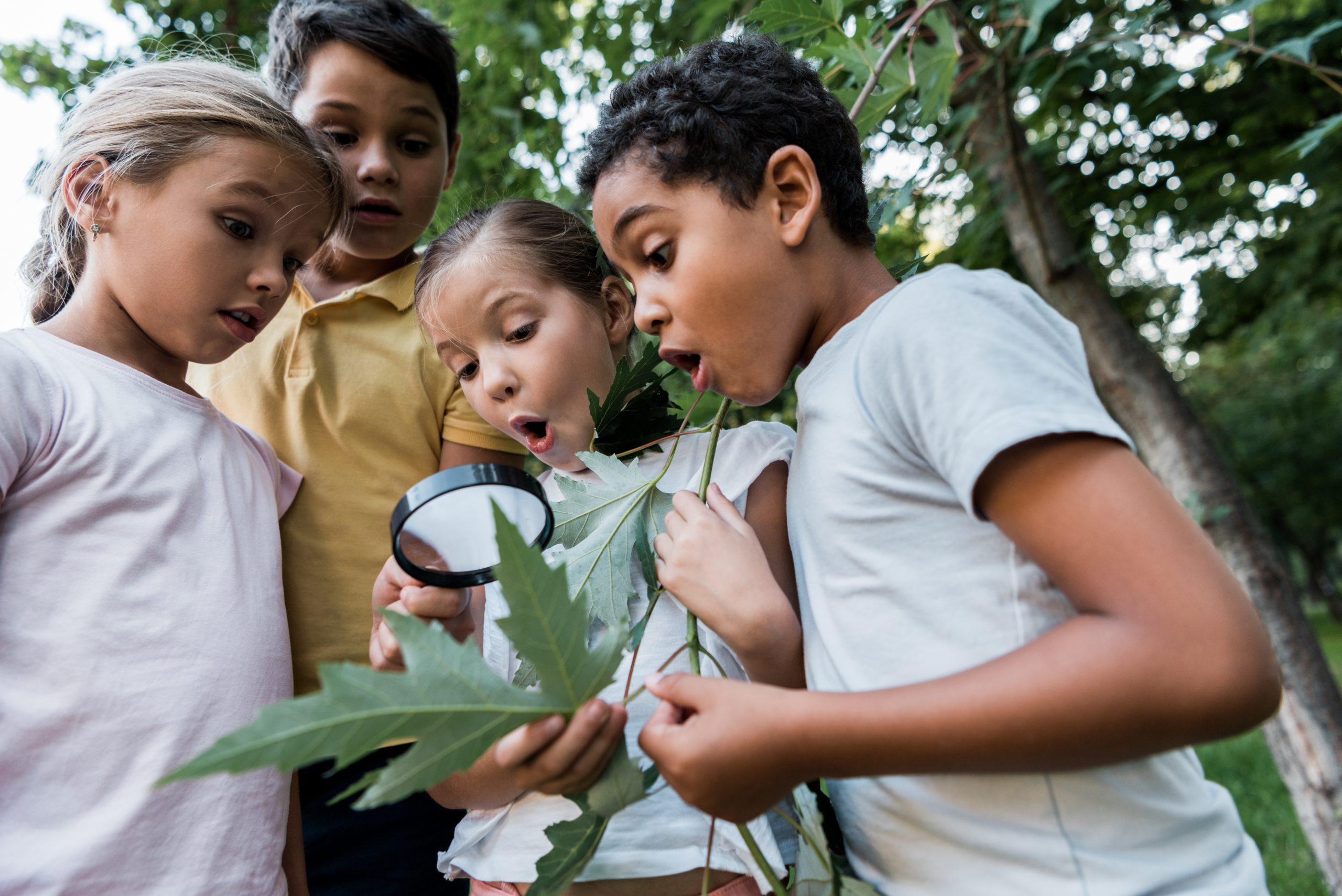
Here’s a checklist for a successful science experiment:
- Begin with an objective – Students should understand why they’re conducting each experiment.
- Encourage scientific enquiry – Asking questions helps children develop problem-solving skills and leads to a better understanding of the science behind the experiment.
- Observation and data recording – Incorporating observation and recording into the experiment enables students to test a hypothesis and relate their findings to scientific knowledge.
- Active participation – Every student should have an equal amount of hands-on involvement.
- Align with core topics in the curriculum – Experiments need to explore elements of biology, chemistry, or physics.
Some outdoor experiments are messy, and that’s a good thing. Children may get their hands dirty exploring plants or end up soaked when conducting water-based experiments. Encourage this, but ensure you have a plan for quick cleanup.
Easy Science Experiments for KS1
The KS1 science curriculum promotes an understanding of basic scientific concepts. Teaching focuses on plants, animals, natural habitats, and seasonal changes – perfect topics for outdoor learning.
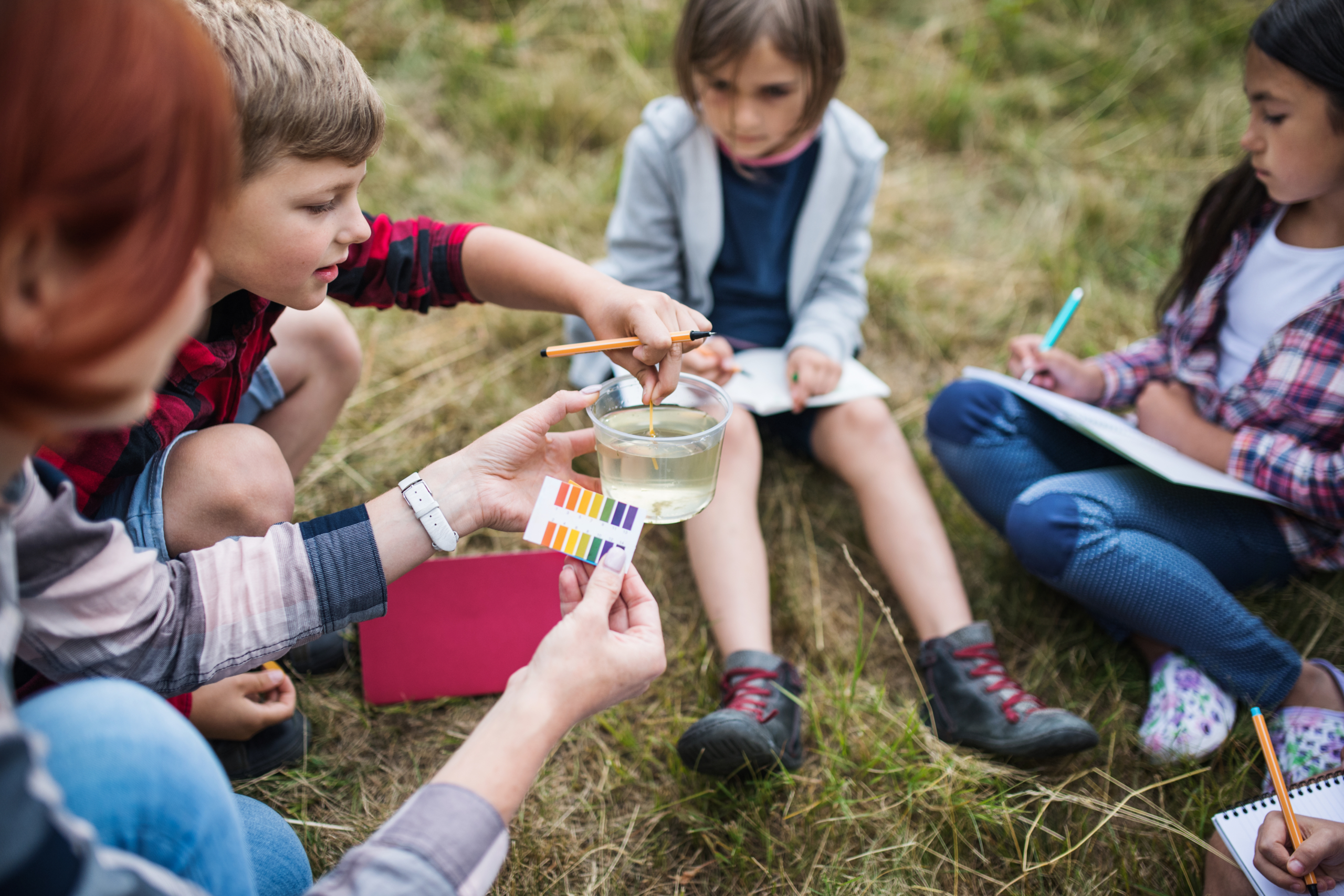
Consider the following easy science experiments for spring and summer:
Planting 101
Choose a location that gets adequate sunlight. Have students plant a variety of seeds in small trays or plastic cups. Sunflowers, cress, and radishes are good choices, as they grow quickly.
Label each tray or cup with the type of seed. Have students tend to their plants by watering them throughout the week.
Students should monitor the progress of their seeds, taking note of how fast each plant grows. This demonstrates the difference between each type of plant and how sunlight and water affect growth.
Nature Scavenger Hunt
Insect and plant activity is vigorous in the spring and summer. Arrange a scavenger hunt so students can observe seasonal changes up close.
Give each student a magnifying glass and create a simple checklist sheet of common insects. Then, lead them through the school grounds so they can search for bugs.
Ask them to mark as many off their checklist as possible. You can do the same for leaves and flowers. Have students discuss their findings at the end of the scavenger hunt.
Float or Sink
This simple experiment helps children understand buoyancy as it relates to different materials. All you need is a large tub of water and a selection of objects that sink and float.
Have students gather around the tub. Before gently placing each object in the water, ask them to predict whether it will sink or float. Some objects are deceptive, like those made of wood.
After testing each object, ask students why they think it sank or floated. Encourage them to spot similarities between objects while you explain the science behind the results.
UV Ray Test
Provide each student with a piece of dark construction paper and a large leaf. Help them tape their leaf to the piece of construction paper.
Set up a table in a spot that gets direct sunlight throughout the day. Have each student place their piece of paper on the table. The sunlight will fade the exposed construction paper after several hours, but an imprint of the leaf will remain.
This experiment demonstrates how sunlight affects certain materials and why shade protects things from UV rays.
Easy Science Experiments for KS2
Students in KS2 build on the knowledge they gained in KS1. Learning more complex concepts allows them to broaden their scientific perspective of the natural world.
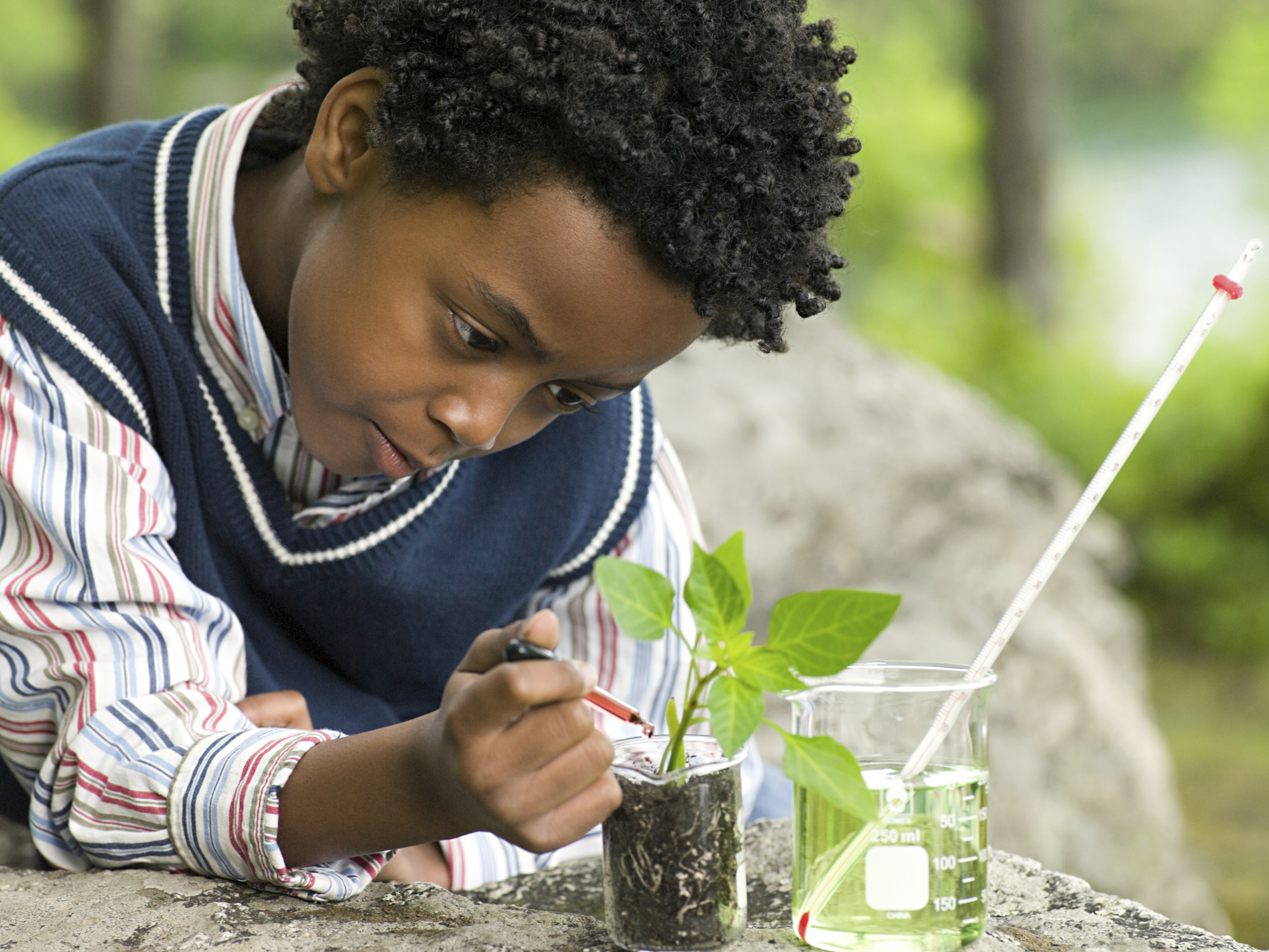
These easy science experiments challenge KS2 students to think critically:
Intro to Composting
Understanding the biochemical process involved in decomposition is too complex for KS2 students. However, showing them simple composting helps them grasp the basic principle.
You’ll need several items for this fun experiment:
- Jars and lids (each lid should have several holes)
- Soil
- Organic waste (fruit or vegetable scraps)
- Non-organic item (piece of plastic)
- Labels
Have students add soil to the bottom of two jars. One jar gets organic waste only, and one gets organic waste and a non-organic item. Add a small amount of water to each jar.
Seal the jars and leave them outside. Students should open them every two days and record their observations. Ask them to look for changes in colour and smell, along with the presence of mould. They should also examine the non-organic item and compare it to organic waste.
Pollination Study
Another perfect experiment for spring or summer, this activity teaches students how pollination works. You’ll need tally sheets and a stopwatch.
Choose locations on the school grounds that have flowering plants. Have students observe each flower for five minutes and mark which insects pollinate each flower.
Ask students to share their findings and discuss the comparisons between each flower. This helps children understand the important relationship between plants and animals.
Paper Plate Sun Dial
It’s difficult to teach young students how the Earth moves in relation to the sun. This experiment allows them to visualise it.
You’ll need paper plates, pencils, tape, and markers. Have students push a pencil through the centre of their paper plate so it stands up straight. Tape the pencil in place.
Take the plates outside and place them in direct sunlight. Ask students to observe where the shadow of the pencil appears on the plate and record the time next to it.
Return to the plates every hour and record the new position of the shadow. At the end of the day, students can see how the shadow has moved around their plates.
Erosion Exploration
This fun group experiment demonstrates how erosion occurs in different environments. The class can do this as a team.
Choose a location on the school grounds with a gradual slope. Have the students fill three shallow trays with soil. Add turf on top of the soil in one tray and pebbles on the top of the soil in another. The other tray should only have soil.
Position each tray on the slope. Pour the same amount of water over each tray and collect the runoff in measuring jugs. Compare the volume and cloudiness of the runoff from each tray.
Outdoor Experiment Safety
Ensuring the safety of your students is essential. While conducting easy science experiments outdoors is relatively safe, there are some precautions you should take.
Outdoor learning in primary schools typically doesn’t require written consent from parents. Most schools get a blanket consent when children enrol, but there are extra steps you can take.
Consider the following safety tips:
- Working with chemicals like acids or solvents is too advanced at this age. Stick to simple, safe materials.
- Communicate with parents to find out if students have allergies to bee stings or certain plants.
- Students should never handle the insects they’re observing.
- Require suncream on hot, sunny days.
- Students should wash their hands after every outdoor experiment.
- Arrange for assistance from a teacher aide if you need help with supervision.
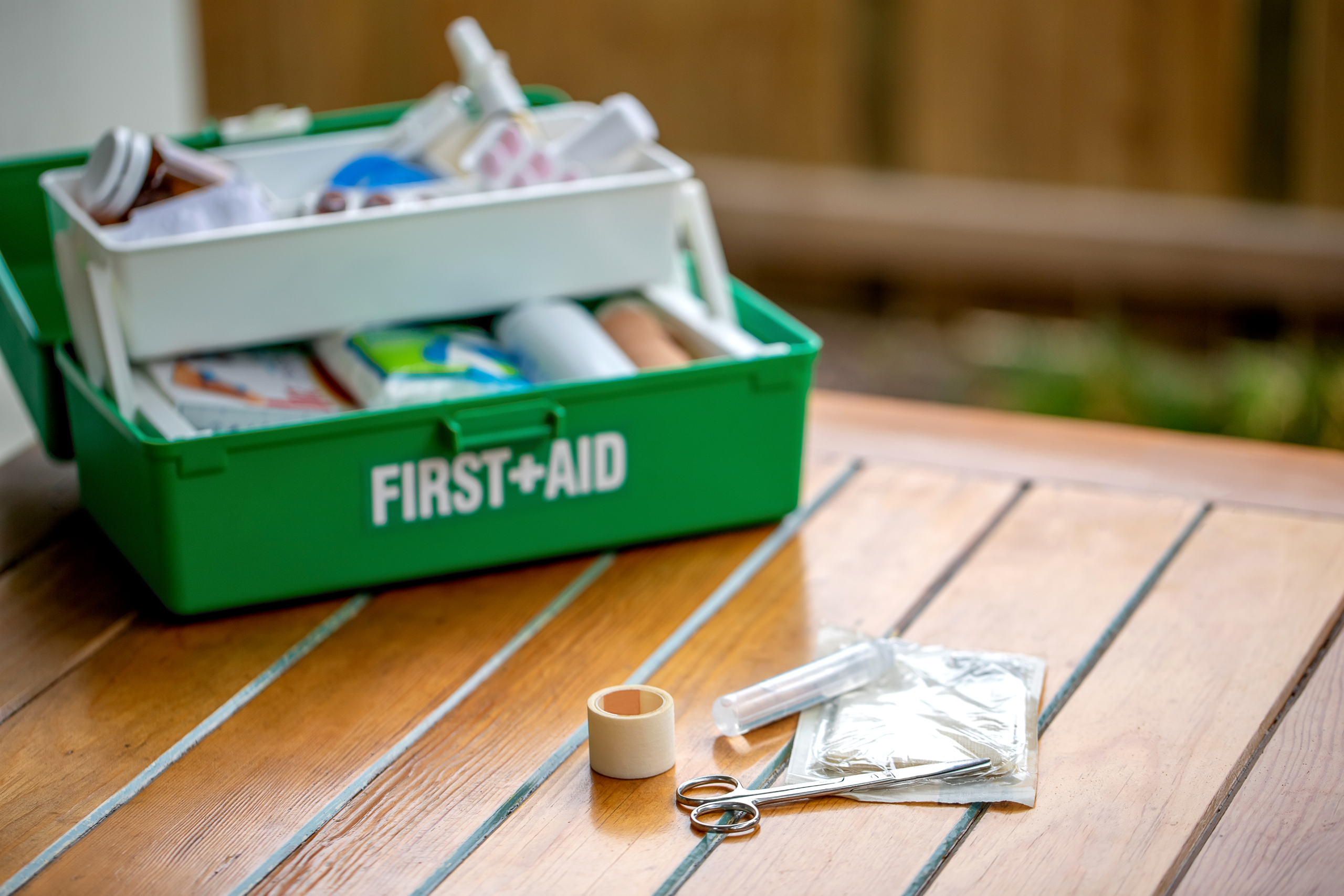
- Ensure your classroom has a first aid kit to treat minor cuts or scrapes.
In addition to these tips, revisit your school’s health and safety procedures before each term.
Conclusion
Outdoor experiments bring scientific concepts to life in a way that worksheets or classroom lessons can’t. They give children a chance to witness the relationship between science and the natural world in fun and interactive ways. Incorporating the easy science experiments discussed above into your lesson plan will spark curiosity and foster a long-term curiosity in science.