
From hydrogen peroxide to sulphuric acid, a variety of different chemicals are used in a chemistry laboratory. They have a wide range of applications and are commonly used to test and synthesise new substances.
Many of the most common chemicals used in chemistry laboratories, including those in academic labs, are hazardous. Some are corrosive, while others are flammable, toxic, or oxidising. It’s essential to always wear appropriate personal protective equipment (PPE) and understand safety protocols when handling lab chemicals.
Keep reading to learn more about common chemicals used in a chemistry lab, how they’re categorised, and how to stay safe when handling them.
In this post:
Key Takeaways:
Lab chemicals are categorised based on reactivity, functional groups, and properties
The five most common lab chemicals are used frequently as solvents, catalysts, and reagents
The most dangerous lab chemicals can cause severe burns, respiratory issues, and even cardiac arrest
To avoid injury in the lab, you must wear appropriate safety gear and understand the chemicals you’re handling
Types of Chemicals Found in a Chemistry Lab
High-grade chemicals are common in a chemistry lab. They have high purity levels, such as analytical reagent grade or American Chemical Society (ACS) grade. They can be grouped into different categories based on their reactivity, functional groups, and chemical properties.

Let’s take a look at some of the categories of chemicals often found in laboratories.
Oxidising Agents and Acids
Oxidising acids have a low pH and are capable of stripping electrons from other substances, making them capable of causing fire and corrosion. Examples of oxidising acids include nitric acid and perchloric acid. Strong oxidisers that are not acids include hydrogen peroxide and potassium permanganate.
Flammable Liquids
These are volatile chemicals with low flashpoints that can easily ignite. Examples include methanol, ethanol, acetone, xylene, and toluene.
Poisons and Toxic Chemicals
These chemicals cause severe illness or death when ingested, inhaled, or absorbed, even at low concentrations. They include pure compounds and aqueous solutions. Acrylamide, formaldehyde, chloroform, phenol, and toxic heavy metal salts such as cadmium sulphate all fall under this category.
Organic Acids
These are carbon-containing weak acids. Common examples include acetic acid (ethanoic acid), butyric acid, and citric acid.
Organic Bases
These are alkaline carbon-containing substances, typically featuring nitrogen atoms that act as proton acceptors. Examples include amines such as ethanolamine, triethylamine, and pyridine.
Salts
Often produced through neutralisation reactions between acids and bases, these are ionic compounds consisting of cations and anions. Examples of salts include sodium bisulphate, copper sulphate, sodium chloride, and ammonium fluoride.
Pyrophorics
Chemicals that spontaneously ignite in air at or below 54 °C (130 °F) are called pyrophoric substances. Examples include white phosphorus, methyllithium, trimethylaluminum, and diethylzinc.
Sulphides
These are compounds containing the sulphide ion or organic sulphur linkages. Examples include iron sulphide and lead sulphide. Some reactive metal sulphides, like potassium sulphide, can release highly toxic and flammable hydrogen sulphide gas when exposed to moisture or acids.
Cyanides
These compounds contain the highly poisonous cyano group. Common laboratory examples include sodium cyanide and potassium cyanide.
Inorganic Mineral Acids
These acids don’t contain carbon backbone chains and are typically strong, highly corrosive acids. Hydrochloric acid, sulphuric acid, and phosphoric acid are standard examples.
Inorganic Bases
These are alkaline compounds, most commonly metal hydroxides, that yield hydroxide ions in water. Examples include sodium hydroxide, potassium hydroxide, and calcium hydroxide.
5 Common Chemicals in a Chemistry Lab
Some of the most common chemicals in a laboratory are used as solvents, reagents, and catalysts. Others are used as cleaning agents or standard solutions for analysis.
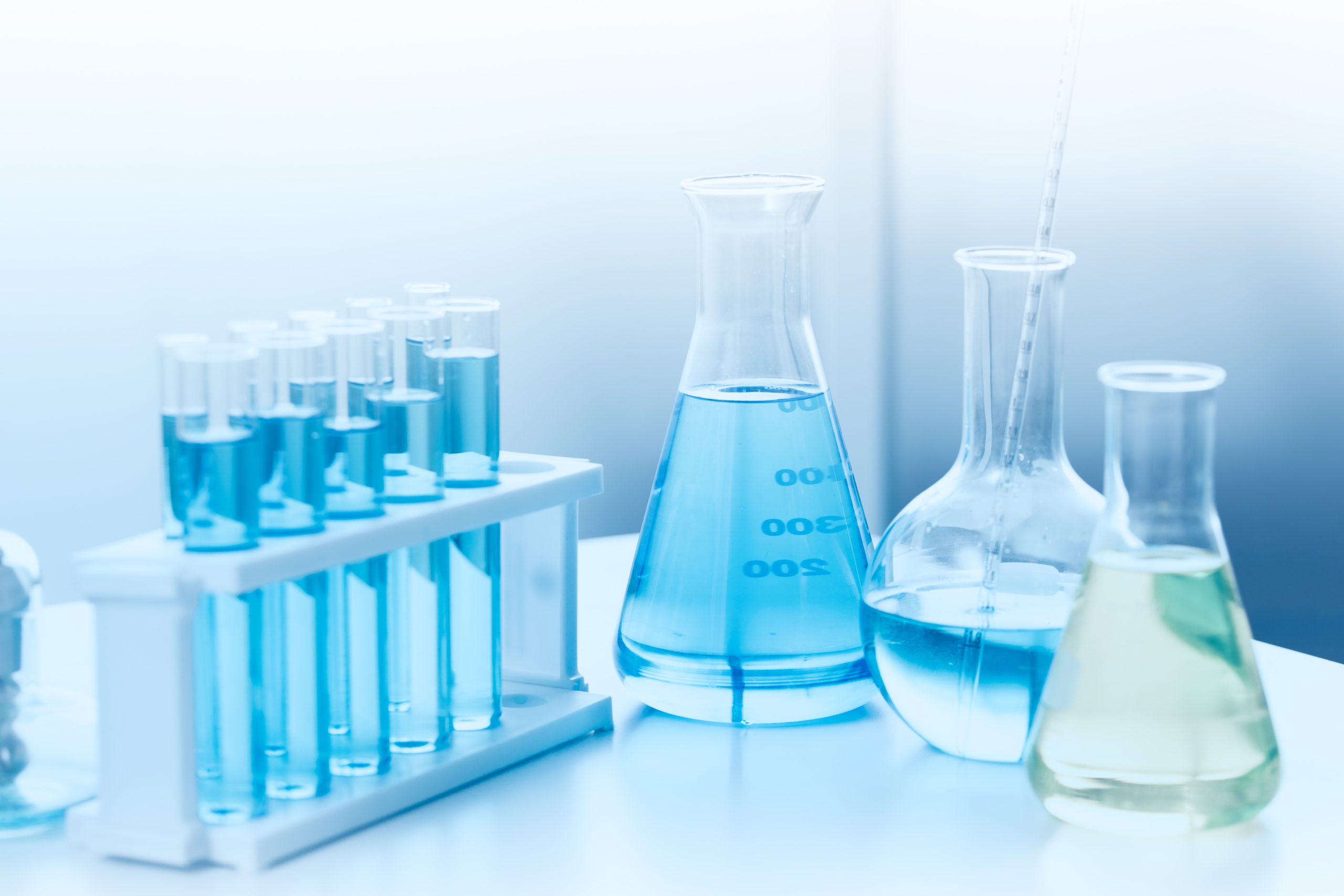
Here are five of the most common:
1. Ethanol
Found in alcoholic beverages, ethanol is well-known as a primary alcohol. However, laboratory-grade absolute ethanol is handled quite differently. It’s produced through precise distillation and dehydration processes to achieve a purity of 99% or 100%.
In the lab, ethanol is primarily used as a polar solvent in organic synthesis, a recrystallisation solvent, and a disinfectant for sanitising equipment.
2. Toluene & Xylene (Modern Aromatic Solvents)
While benzene was historically used as a common aromatic hydrocarbon solvent, it’s highly carcinogenic and has been largely phased out of modern laboratories.
Today, toluene and xylene are the standard aromatic solvents used in their place. They’re widely used to dissolve non-polar substances, act as precursors for synthesising plastics, dyes, and coatings, and serve as reactants in organic chemistry experiments.
3. Sodium Hydroxide & Inorganic Bases
Sodium hydroxide (commonly known as caustic soda) and potassium hydroxide are essential inorganic bases. These chemicals readily dissociate in water to produce hydroxide ions, making them powerful proton acceptors.
They’re frequently used to adjust the pH of solutions, neutralise acids, act as catalysts in esterification reactions, and serve as strong nucleophiles in chemical synthesis.
4. Pyridine
Pyridine is a heterocyclic organic compound. Structurally similar to benzene but with one carbon atom replaced by a nitrogen atom, it’s a weak base and a highly flammable liquid.
Completely miscible with water, pyridine is infamous for its distinct, pungent, fish-like smell. It’s widely used as a solvent, a base catalyst, and a vital precursor to medicines, vitamins, and pesticides.
5. Methanol
Methanol is the simplest alcohol and a staple of the analytical chemistry laboratory. Because of its high volatility and purity, it’s heavily used as a mobile phase solvent in analytical methods like High-Performance Liquid Chromatography (HPLC) and Liquid Chromatography-Mass Spectrometry (LC-MS). It also serves as an important feedstock for synthesising biodiesel and formaldehyde.
The Most Dangerous Chemicals in a Chemistry Lab
While almost all laboratory chemicals carry hazards, they vary significantly in their potential for harm.
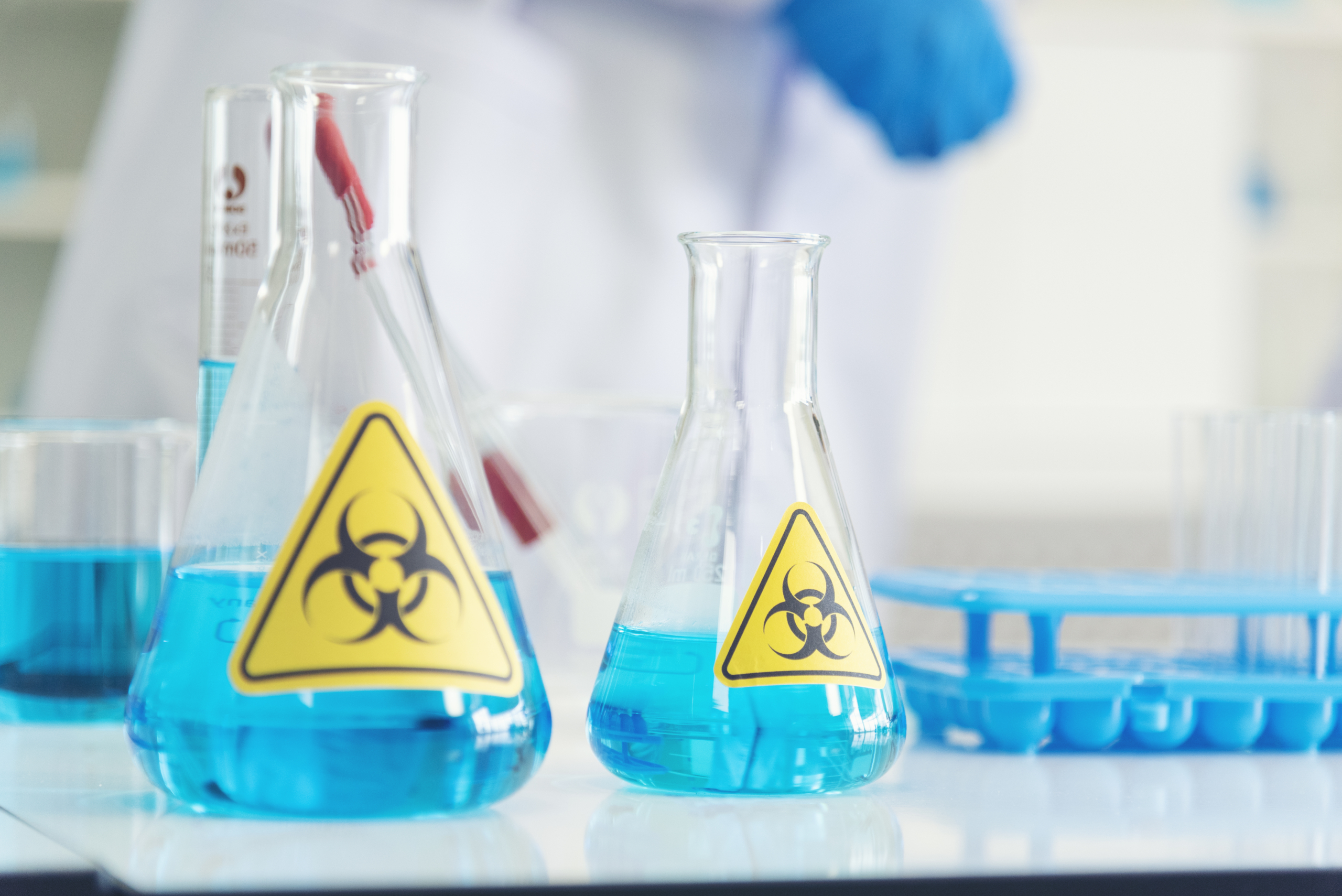
Corrosive chemicals like acids and bases come in varying strengths. Highly concentrated mineral acids like sulphuric acid or nitric acid can cause severe chemical burns upon contact with skin. In contrast, dilute organic acids like acetic acid or citric acid are far less destructive but still require careful handling.
The most acutely dangerous chemicals in a chemistry lab are harsh toxins and chemical asphyxiants that can cause organ failure or systemic collapse in seconds. For example, inhaling volatile hydrogen cyanide gas blocks cellular respiration, triggering seizures, coma, and cardiac arrest almost instantly.
Other examples of highly toxic laboratory gases and compounds include:
- Arsenic trioxide
- Chlorine gas
- Hydrogen cyanide
- Phosgene (a severe respiratory hazard)
- Potassium cyanide
- Sodium arsenate
- Sodium cyanide
The Importance of Safety in a Chemical Lab
Safety is paramount in any laboratory. Working in an unmonitored or careless environment risks serious chemical burns, toxic inhalation, or fires. Following strict engineering controls and personal safety protocols helps prevent accidents.

The baseline defence in any lab is wearing correct personal protective equipment. This typically includes:
- Lab coats or gowns to protect clothing and skin
- Chemical-resistant gloves appropriate for the specific solvent being handled
- Safety goggles or face shields to protect against unpredictable splashes
- Fume hoods or a breathing apparatus when working with volatile, toxic, or foul-smelling chemicals like pyridine or chloroform
Storage requires close attention to chemical compatibility. Flammable chemicals must be stored in specialised, spark-proof flame cabinets away from heat or ignition sources like Bunsen burners. Strong oxidisers must always be separated from organic solvents and reducing agents to prevent spontaneous combustion.
Conclusion
Fostering a culture of safety through proper chemical classification, adequate PPE, and strict storage protocols is essential for a productive laboratory environment. By respecting the unique hazards and applications of these common substances, chemists and students can confidently innovate while minimising risks.