
Water purity is essential in many applications, from laboratory experiments to medical procedures and car maintenance. When choosing purified water, two common options are deionised and distilled water, which both undergo treatment processes to remove impurities.
This may make people think they’re interchangeable, but this isn’t true – they aren’t identical in either composition or function.
The choice between the two depends on the intended use, as each has specific strengths and limitations, especially when it comes to scientific and commercial applications.
In this post:
Key Takeaways
Deionised water removes mineral ions but does not eliminate bacteria, viruses, or organic compounds
Distilled water undergoes boiling and condensation, removing nearly all impurities, including microbes and organic matter
Deionised water is commonly used in laboratories, vehicle maintenance, and industrial processes where mineral-free water is required
Distilled water is essential for pharmaceutical production, medical applications, and experiments demanding the highest purity
Choosing between the two depends on your required level of purity
What Are The Differences Between Deionised Water and Distilled Water?
Although deionised and distilled water both undergo purification, they are processed differently and have distinct characteristics. These differences determine their suitability for specific applications, as some uses require a higher level of purity than others.
Understanding these variations is crucial to making an informed choice, so let’s take a closer look at the differences.

Deionised Water
Deionised water is produced when raw water is passed through ion exchange resins. In this process, known as deionisation, all charged ions in the water (including Ca2+, Mg2+, HCO3 and No3–) are replaced with hydrogen (H+) and hydroxide (OH–) ions.
When these combine, they form pure H2O. This means that deionised water contains no charged ions, making it a poor conductor of electricity.
However, deionisation only removes charged impurity ions, meaning that organic impurities like bacteria remain in the water since they do not have a charge. This means that deionised water isn’t always suitable for applications that require a high level of microbial purity, such as medical or pharmaceutical settings.
Distilled Water
Distilled water undergoes a separation process that extracts pure water vapour from its impurities. This is achieved through distillation, a process that involves heating water past its boiling point so that it vaporises. Meanwhile, the impurities do not vaporise because they have a higher boiling point.
The pure water vapour is then collected and condensed into pure water. Therefore, distilled water is purer than deionised water because distillation removes all impurities, including ions, minerals, heavy metals and organic matter.
While deionised water and distilled water are similar in that they both have undergone a purification process, one cannot always be substituted for the other because of their different purity levels.
Uses and Applications
Different industries and fields require specific types of purified water based on their needs. The choice between deionised and distilled water often depends on factors such as purity levels, microbial contamination, and the presence of organic compounds.
At the same time, these two products do share similar uses, and deionised water will often be used instead of distilled water due to a cheaper price point.
Laboratory Applications
Both of these water products can be used in the lab where they are sometimes used interchangeably:
- As solvents to prepare various solutions
- In autoclaves to extend the life of the chamber
- To clean glassware without leaving a residue
- To sterilise sensitive equipment
- As part of the chemical repacking process
For general laboratory applications like these, deionised water is sometimes preferred because it is more cost-effective to produce.
However, laboratories require high-purity water for various experiments, equipment cleaning, and chemical reactions. Because of this, for experiments that demand ultra-pure water free from bacteria and organic compounds, distilled water is the better option.
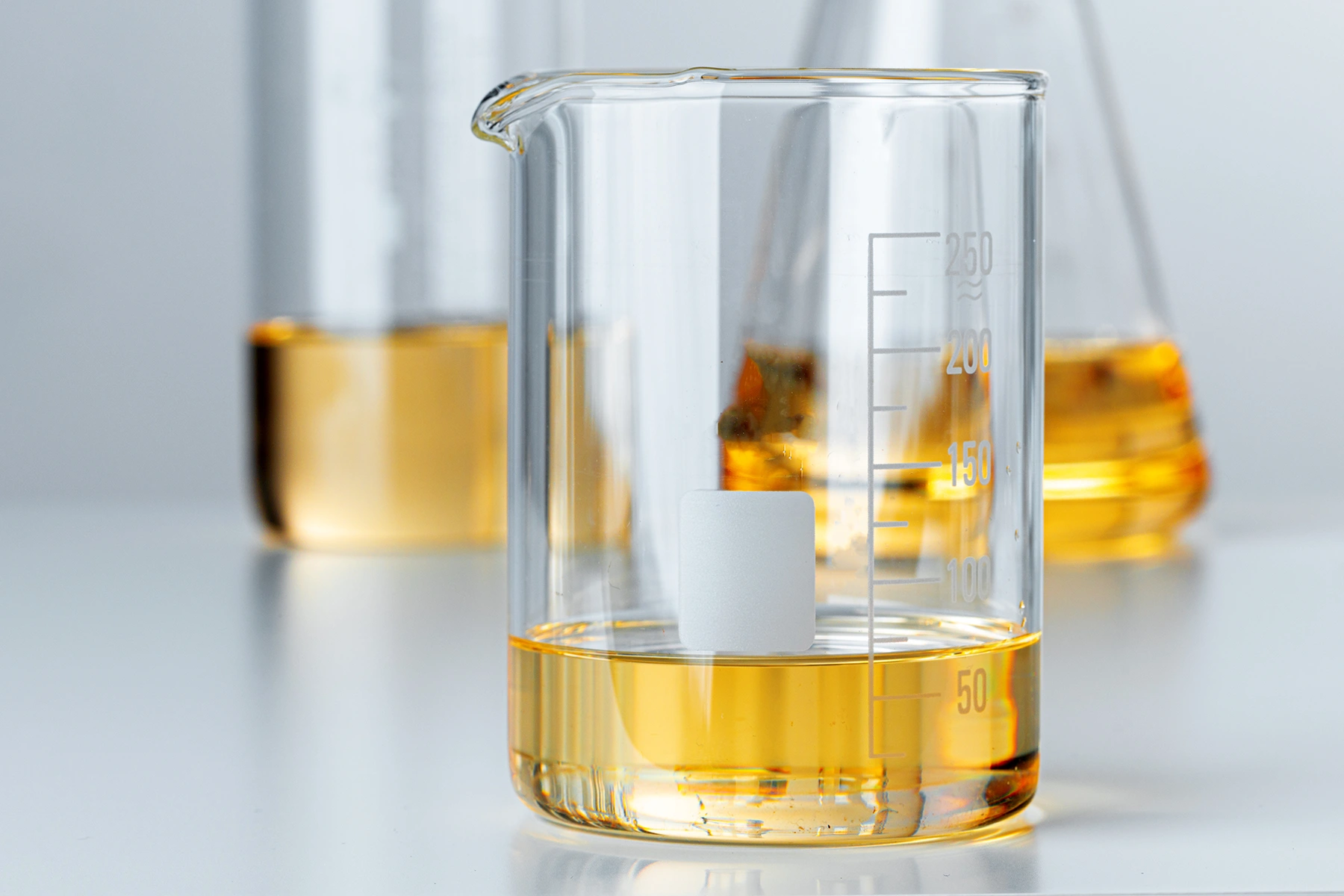
Using the wrong type of water in a laboratory setting can lead to inaccurate results, contamination, or equipment damage. Laboratories typically choose between deionised and distilled water based on the specific requirements of each experiment or process.
Automotive Applications
The high calcium content in regular tap water can quickly accumulate on and corrode metal parts and surfaces. This means purified water is required for components like:
- Lead-acid batteries
- Cooling systems
- Aircraft engines
- Gas-turbine engines
- Washing mechanisms
While both deionised water and distilled water can be used on metal parts without too much issue, deionised water can be more corrosive over time, in part due to how easily it absorbs carbon dioxide from the atmosphere.
When carbon dioxide dissolves in deionised water, it forms a weakly acidic solution of carbonic acid. This not only affects the pH of DI water, but it can also cause corrosion to metal parts, particularly steel. If there are applications that involve long-term contact with metal, distilled water is generally used.
At the same time, certain grades of deionised water can be used in the automotive industry, though this is generally used in cleaning and low-end maintenance situations.
Pharmaceutical Applications
In this industry, both types of purified water are often used interchangeably depending on the specifications of the product being produced. When used in pharmaceuticals, purified water is usually referred to as ‘aqua’ and it can commonly be found in:
- Compendial articles
- Analytical reagents
- Active pharmaceutical ingredients and intermediates (APIs)
As with most applications, however, if the product being manufactured has to meet certain quality or purity specifications, distilled water will be used over deionised water.
Medical Applications
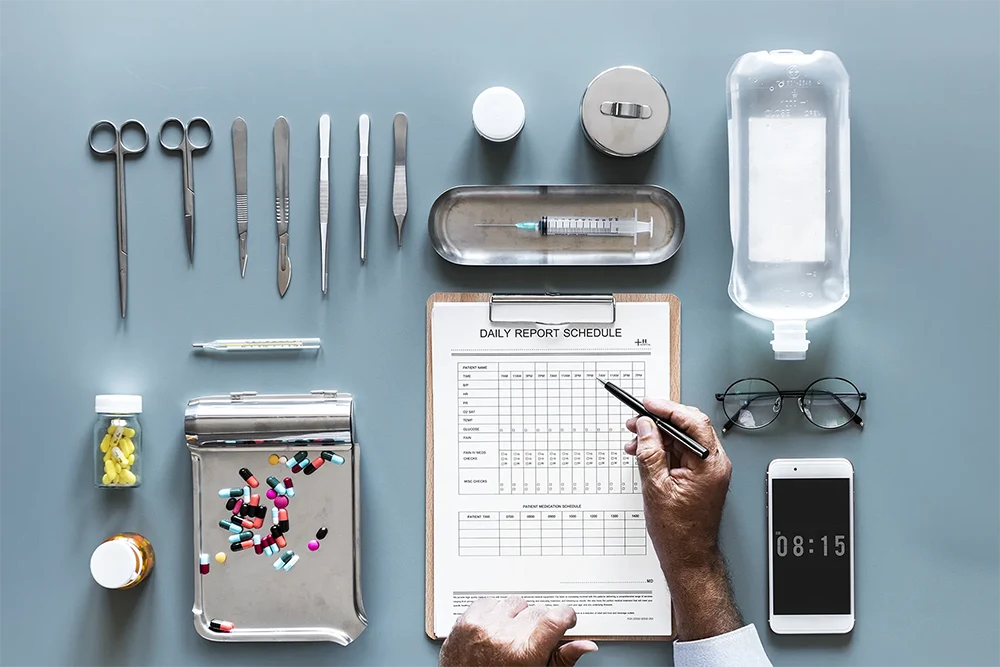
Purified water has to adhere to a very exact specification in order to be used in the medical industry. High-purity distilled water is often used to carry out certain medical procedures, including:
- To clean wounds in order to protect them from infection
- In irrigation solutions during surgery to prevent the entrance of bacteria
- In mouth rinsing during dentistry so that no bacteria is introduced to any open wounds
- In Constant Positive Airway Pressure (CPAP) machines
Deionised should not be used instead of distilled water in these applications because it contains organic contaminants like bacteria, viruses and other organic impurities. If introduced to an open wound, these could not only cause infection but could also have more serious effects depending on the procedure being carried out.
Which One Should I Use?
If the priority is removing mineral ions but microbial contamination is not a concern, deionised water is usually sufficient. This makes it suitable for applications like automotive maintenance, industrial processes, and some laboratory work.

Distilled water, on the other hand, is the better option when complete purity is essential. It is the preferred choice for medical applications, pharmaceutical production, and experiments requiring bacteria-free and organic-free water. While distillation is a more energy-intensive process, it provides a level of purity that deionisation cannot achieve.
For general household or industrial applications where ultra-pure water is not required, deionised water is often a more practical and cost-effective choice. However, when absolute purity is necessary, distilled water remains the safer bet.
Conclusion
Understanding the differences between deionised and distilled water is essential when choosing the right type for your needs. While both undergo purification, their processing methods result in distinct levels of purity and different applications.
Selecting the right type of purified water ensures optimal performance, longevity of equipment, and accuracy in sensitive applications. Whether it is for laboratory experiments, automotive use, medical procedures, or pharmaceutical production, knowing the strengths and limitations of each type will help you make an informed decision.