The Chemistry Blog

Chemical uses, chemistry information and industry news

How To Handle Explosive Chemicals

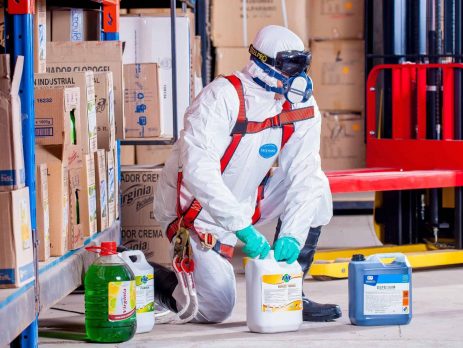
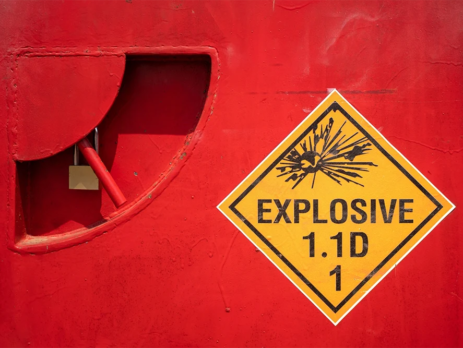
Handling explosive chemicals requires stringent safety precautions - and that’s not just wearing the right PPE, but also about understanding the nature of the chemical you are handling.You must know its flashpoint, detonation point, possible triggers, and incompatible chemicals that can react or act as catalysts for it to explode.Additionally, you must know about the appropriate container and containment requirements...

What Is Demineralised Water?

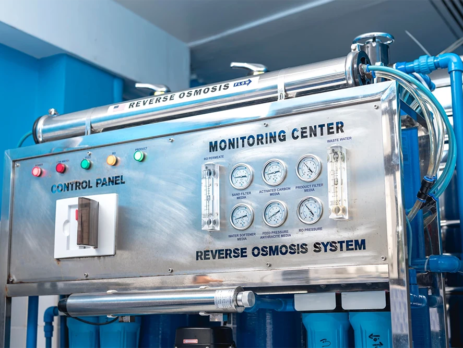
If you’re confused by what demineralised water is versus deionised, distilled, ultrapure, purified water (the list goes on)… you’re in the right place.There are many forms of purified, high grade water, and in today’s blog post we’re going to look in a little more depth at what demineralised water is. Introduction to Demineralised Water Demineralised water is also called demi or demin...

How To Handle Oxidising Chemicals

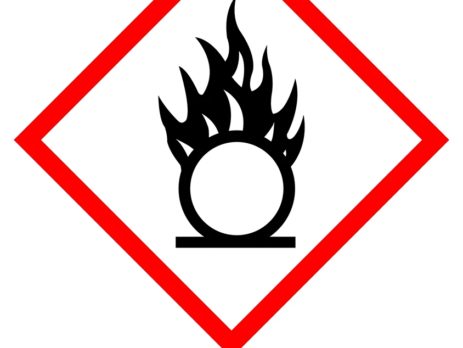
Oxidising chemicals, depending on their strength, can damage your skin and mucous membrane, so you have to handle them carefully.This type of chemical, which includes hydrogen peroxide, sodium perchlorate, and chromic acid, can be found in the workplace.Handling them requires wearing protective clothing, gloves, and goggles. For example, if you’re using oxidising agents in a laboratory, nitrile gloves can provide...

Is Bottled Water Distilled?

Bottled water usually undergoes filtration processes rather than distillation because it contains essential minerals that affect the taste and nutritional value of the water. Distilled water, on the other hand, is entirely pure H20 because distillation removes all of its impurities, including minerals.‘Bottled water’ is a very broad category that includes three main types of water that have undergone different...

WATCH: What Happens When You Place An Order?

Watch our newest video to find out more about what happens when you place an order on our website.Learn how you can conveniently purchase the chemicals you need, and the fast, efficient delivery and service you receive.In this video, Jessica Clifton, one of ReAgent’s Directors, discusses the details.What’s this video all about? In the video, Jessica walks you through the process...

How to Safely Handle Reactive Chemicals

Whether you’re conducting experiments in a chemistry lab or working in a chemical factory, you must always wear appropriate protective gear.Always assume you’re handling hazardous chemicals that can potentially injure you or cause property damage. Wear goggles or face shields to protect your eyes and face against chemical sprays or splashes. Wear proper gloves, especially when working on corrosive or...

Isopropyl Alcohol vs Rubbing Alcohol

Isopropyl alcohol, which is also known as isopropanol and propan-2-ol, comes in different grades and has a large variety of applications in many different industries. Key Takeaways Isopropyl alcohol has many uses; one of which is rubbing alcohol Ethyl alcohol is also used as rubbing alcohol Isopropyl alcohol is commonly used in industries as a solvent There are three methods for...

How to Handle Toxic Chemicals

Toxic chemicals can cause health problems, ranging from skin irritations and allergies to life threatening acute reactions such as organ failure.Depending on the toxicity level, chemicals can do serious damage to living tissue and organ systems. Some accumulate over a long period (months or years) and may trigger serious illnesses such as lung cancer. That means handling toxic chemicals requires...

What is the Distillation Process?

Distillation is the process of purifying a substance, whereby pure substances are extracted from a mixture. There are different types of distillation processes, including fractional distillation, simple, steam, and vacuum distillation.Distillation has several commercial and industrial applications. For example, it can be used to distil wine. In fact, the well-documented use of distillation can be traced as far back as the...

About The Chemistry Blog

At The Chemistry Blog, we want to inform and educate people about chemistry, the chemical industry, and the uses, benefits, and applications of different chemicals, from isopropyl alcohol and buffers to standard solutions. No matter what it is you’re looking for, you’ll find plenty of chemical information here.

The Chemistry Blog is also home to a massive range of educational resources. Whether you’re studying for your upcoming GCSE or A level exam, or want to know more about how to pursue a degree in chemistry, there’s a wealth of information at your fingertips. Beyond this, our series of articles on apprenticeships in the chemical industry help equip aspiring scientists with the knowledge they need to take that next step in their career.

The Chemistry Blog also provides information on specific fields in the chemical industry, from biotechnology to biochemistry to analytical chemistry, and explores the science behind key topics and chemical phenomena, like titration and distillation. Plus, if you’re looking to grapple with more complex subjects, feed your appetite with articles like the decomposition of hydrogen peroxide or the reaction between hydrochloric acid and sodium thiosulphate.

But you don’t have to be a science pro or student to enjoy what we have on The Chemistry Blog. Have you ever wondered about the chemicals in swimming pools or oven cleaners? Do you want to get the most out of that jar of baking soda in your cupboard, or learn how to remove sticky labels using some rubbing alcohol? The Chemistry Blog is home to tons of articles that explore the applications and science behind common household chemicals so that you can better understand the things you use everyday. So, whether you’re a student, a science buff, or simply curious, there’s something for everyone on The Chemistry Blog!


How can ReAgent help you?

Send us a message and our friendly team will get back to you within one business day.

What happens to my enquiry?

Your message is sent directly to our dedicated customer service support team where it is distributed to the department best suited to help you. During office hours one of our staff members will promptly email you back or give you a quick call to discuss your requirements or respond to your question. All without obligation or sales pressure. We are here to help you, and are dedicated to “above and beyond” levels of customer service.

Prefer to call?

Call us FREE on 0800 9555 798. Overseas? Call +44 1928 716903. Available 8:30am – 5pm, Monday to Friday.

Customer Service
“All enquiries are treated as confidential – we never share your details”
Kerry
Customer Service
Sales Director
“Our manufacturing facility is accredited to ISO 9001, ISO 13485, ISO 14001 and ISO 45001”
Darren
Technical Director
Account Director

“We provide comprehensive technical support with every enquiry”
Jo
Account Director

Jane Fletcher
Google
5/5
Always have excellent service from yourselves from ordering product to delivery.
Kevin Wallcroft
Google
5/5
A particularly easy to deal with chemical company. I telephoned, got all the advice needed with excellent friendly service. My chemicals arrived the very next day. Very happy!
Joanne King
Google
5/5
Fast efficient service, was kept updated on order throughout. Can not fault ReAgent sales and delivery processes.
Hebe Arat
Google
5/5
Their customer services were very helpful, sending us all the lab reports we needed, before we even bought from them. Then, once we ordered the product came very quickly.

Search the chemicals you need by product name, product number, or CAS number:

How To Handle Explosive Chemicals