
A fascinating transformation occurs when clear solutions of hydrochloric acid (HCl) and sodium thiosulphate (Na2S2O3) are combined. The transparent liquid gradually turns cloudy, milky, and completely opaque.
This may seem like a simple reaction, but what’s actually going on? And how does this relate to chemical kinetics (how fast a reaction occurs)?
This article explores the science behind the reaction and how this experiment is used to accurately measure reaction rates.
Key Takeaways:
Hydrochloric acid and sodium thiosulphate are highly important, versatile chemicals used across multiple industries
Mixing the two substances creates a reaction and forms an insoluble, solid precipitate of sulphur
A simple experiment can help you measure the rate of reaction after mixing hydrochloric acid and sodium thiosulphate
In this post:
What is Hydrochloric Acid and Sodium Thiosulphate?
The chemicals used in this experiment are highly versatile in laboratory and industrial settings.
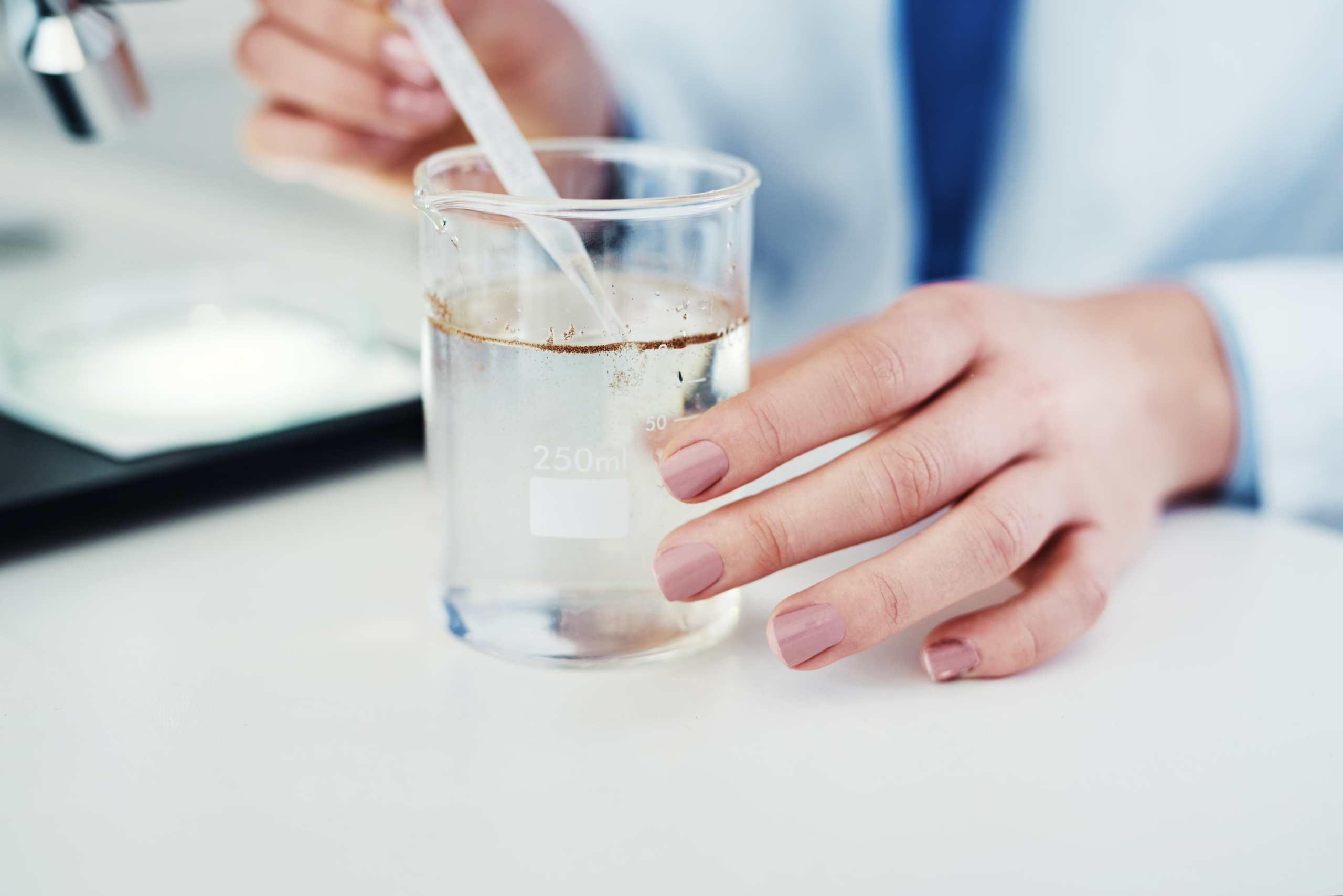
Hydrochloric acid is a strong acid with many essential uses across a range of industries, from regenerating cation-exchange resins to balancing the pH levels in swimming pools.
Sodium thiosulphate is an inorganic salt used in iodometric titration, water treatment dechlorination, and historically as a fixing agent in photographic film processing.
While these compounds serve different industrial purposes on their own, combining them creates a perfect showcase for observing chemical kinetics in action.
The Cloudy Reaction
When sodium thiosulphate is added to a solution of diluted hydrochloric acid, they react to produce a solid precipitate alongside soluble salts and gases.
Initially, both solutions are completely clear and colourless. When they react, they undergo a chemical change that creates insoluble, solid sulfur.
Because the sulfur is created at a molecular level throughout the entire liquid, it doesn’t sink to the bottom as a heavy sediment. Instead, billions of microscopic solid sulfur particles form and remain suspended, floating throughout the water.
This mixture is known as a colloid. Light hits the tiny, floating sulfur particles and bounces in all directions. This light-scattering effect is what makes the solution look milky and opaque.
The Rate of Reaction
A chemical reaction happens when particles collide, resulting in the reactants being consumed and new products being formed. In order for a reaction to be successful, the collisions must have sufficient energy.

Higher concentration means there are more particles in the same volume, which increases the frequency of the collisions, leading to more successful reactions per second.
With this in mind, the rate of reaction can be defined as an increase or decrease of concentration in any one of the reactants or final product. As the concentration of a reactant increases, the number of reacting molecules increases. This means that there is a greater number of collisions, which leads to a quicker reaction time and a larger rate of reaction.
This concept is best demonstrated by the reaction between hydrochloric acid and sodium thiosulphate.
Measuring the Rate of Reaction
Because the onset of opacity is so predictable, this reaction is famously utilised in school laboratories via the “disappearing cross” experiment.
See it in action:
- Draw a black “X” or cross on a piece of white paper.
- Place a glass beaker containing the sodium thiosulphate solution directly over the cross.
- Add hydrochloric acid and start a timer.
- Look straight down through the top of the beaker. As the colloidal sulfur builds up, it increasingly blocks out light.
- Stop the timer when the black cross is completely obscured by the cloudiness.
- Divide 1 by the time it took for the cross to disappear. This is your rate of reaction.
You can lower the concentration of sodium thiosulphate by diluting it with distilled water. This will reduce the number of sodium thiosulphate particles, which ultimately means fewer collisions. The sulphur precipitates will then appear at a lower rate. This means a longer reaction time and smaller reaction rate.
Safety First
While this experiment is highly educational, it does carry minor risks that must be managed properly.
Hydrochloric acid will irritate the skin and eyes. Wear splash-resistant safety goggles and lab coats at all times.
The reaction generates sulfur dioxide, a pungent gas that can irritate the respiratory system and trigger distress in asthmatic individuals. Only perform the experiment in a well-ventilated lab or under a fume hood. Neutralise the reaction mixture in an alkaline bath after completion to minimise fumes.
Conclusion
The reaction between hydrochloric acid and sodium thiosulphate is far more than just a classic parlour trick that turns a clear liquid cloudy. It serves as a foundational pillar in chemical education, offering a visual, easily measurable demonstration of collision theory and chemical kinetics in real time.