The Chemistry Blog

Chemical uses, chemistry information and industry news

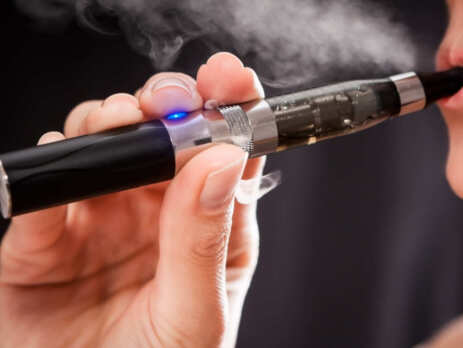
5 Chemicals You Probably Didn’t Know You Use Every Day

Many of the consumer products we use on a daily basis contain chemical ingredients that might sound strange and unfamiliar. Yet some of these chemicals, including those found in cleaning, hygiene, and personal care products, are actually very common. In most cases, we’re more familiar with the commercial brand rather than the chemical or generic name. These are the five key...

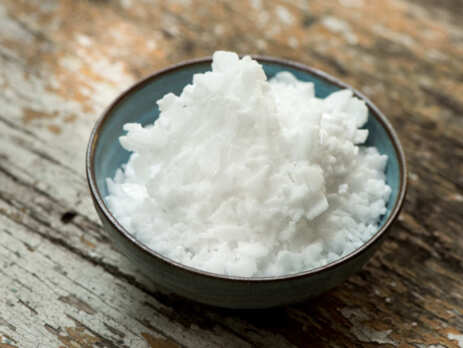
Potassium Hydroxide: Uses, Formula, Dangers & More

Potassium hydroxide (KOH) is an odourless, white or yellow inorganic compound that’s usually in flaky or lumpy solid form at room temperature. It’s often used to make liquid soap, although KOH has many other household and industrial applications too. For example, it’s a common component in liquid drain cleaners and paint and varnish removers. Potassium hydroxide is also used as an...

Top 10 Most Hazardous Chemicals in the Workplace

While many chemicals in the workplace may seem innocuous, some of them can pose a significant hazard. Knowing which ones are hazardous and how to handle hazardous chemicals properly can help to prevent injuries and any chronic detrimental effects. Here we look at the top 10 most hazardous chemicals in the workplace, including:Arsenic Lead Benzene Chromium Toluene Cadmium Zinc Mercury ...

What is Monopropylene Glycol?

Monopropylene glycol – also known simply as propylene – is a viscous, colourless liquid with a distinct sweet taste (but please don’t drink it). Almost odourless, it’s both miscible with water and hygroscopic, i.e. it attracts and absorbs moisture. The chemical formula of monopropylene glycol is C3H8O2, which can also be written as: CH3CH(OH)CH2OH This formula tells us that it has two alcohol...

What is Potassium Hydroxide?

Potassium hydroxide (KOH) - which you might also hear called caustic potash or lye - is an inorganic compound. Just like other strong bases, it’s highly caustic and completely dissociates into ions when dissolved in water.The other seven strong bases include:LiOH (lithium hydroxide) NaOH (sodium hydroxide) Ca(OH)2 (calcium hydroxide) CsOH (caesium hydroxide) Sr(OH)2 (strontium hydroxide) RbOH (rubidium hydroxide) Ba(OH)2...

Is Potassium Hydroxide Harmful to the Environment?

Just like many inorganic substances, potassium hydroxide doesn’t contain degradable functional groups. This means that it does not have a detrimental impact on the biological oxygen demand in water.It does, however, dissociate into ions when dissolved in water, which can elevate the pH level of systems that do not have sufficient buffers. If a large quantity of an alkaline substance...

How is Phosphoric Acid Made?

Phosphoric acid (H3PO4) is an inorganic compound that can be made through both wet and dry processes. The former involves the treatment of sulphuric acid, while the latter uses phosphate ore. Also called orthophosphoric acid, phosphoric acid is a solid white crystal at room temperature. However, it’s more commonly available as an 85% aqueous solution, which is colourless, viscous, and non-volatile....

How To Make A Standard Solution

Making a standard solution is a core skill all chemists and lab technicians need to know. A standard solution is simply a solution in which the exact concentration of a specific element or compound is known. They’re used as the ultimate reference point to measure other unknown substances.Keep reading to learn more about standard solutions and discover the two primary...

What Is Potassium Permanganate Used For?

From medicine to chemical manufacturing, potassium permanganate has various uses and applications. Its antiseptic properties make it an essential medicine that’s often used to treat wounds and skin conditions, such as dermatitis. Alongside its medicinal applications, potassium permanganate is used to treat water and preserve food. Chemical manufacturing companies and laboratories also use it as an oxidising agent.With such a diverse...

About The Chemistry Blog

At The Chemistry Blog, we want to inform and educate people about chemistry, the chemical industry, and the uses, benefits, and applications of different chemicals, from isopropyl alcohol and buffers to standard solutions. No matter what it is you’re looking for, you’ll find plenty of chemical information here.

The Chemistry Blog is also home to a massive range of educational resources. Whether you’re studying for your upcoming GCSE or A level exam, or want to know more about how to pursue a degree in chemistry, there’s a wealth of information at your fingertips. Beyond this, our series of articles on apprenticeships in the chemical industry help equip aspiring scientists with the knowledge they need to take that next step in their career.

The Chemistry Blog also provides information on specific fields in the chemical industry, from biotechnology to biochemistry to analytical chemistry, and explores the science behind key topics and chemical phenomena, like titration and distillation. Plus, if you’re looking to grapple with more complex subjects, feed your appetite with articles like the decomposition of hydrogen peroxide or the reaction between hydrochloric acid and sodium thiosulphate.

But you don’t have to be a science pro or student to enjoy what we have on The Chemistry Blog. Have you ever wondered about the chemicals in swimming pools or oven cleaners? Do you want to get the most out of that jar of baking soda in your cupboard, or learn how to remove sticky labels using some rubbing alcohol? The Chemistry Blog is home to tons of articles that explore the applications and science behind common household chemicals so that you can better understand the things you use everyday. So, whether you’re a student, a science buff, or simply curious, there’s something for everyone on The Chemistry Blog!


How can ReAgent help you?

Send us a message and our friendly team will get back to you within one business day.

What happens to my enquiry?

Your message is sent directly to our dedicated customer service support team where it is distributed to the department best suited to help you. During office hours one of our staff members will promptly email you back or give you a quick call to discuss your requirements or respond to your question. All without obligation or sales pressure. We are here to help you, and are dedicated to “above and beyond” levels of customer service.

Prefer to call?

Call us FREE on 0800 9555 798. Overseas? Call +44 1928 716903. Available 8:30am – 5pm, Monday to Friday.

Customer Service
“All enquiries are treated as confidential – we never share your details”
Kerry
Customer Service
Sales Director
“Our manufacturing facility is accredited to ISO 9001, ISO 13485, ISO 14001 and ISO 45001”
Darren
Technical Director
Account Director

“We provide comprehensive technical support with every enquiry”
Jo
Account Director

Jane Fletcher
Google
5/5
Always have excellent service from yourselves from ordering product to delivery.
Kevin Wallcroft
Google
5/5
A particularly easy to deal with chemical company. I telephoned, got all the advice needed with excellent friendly service. My chemicals arrived the very next day. Very happy!
Joanne King
Google
5/5
Fast efficient service, was kept updated on order throughout. Can not fault ReAgent sales and delivery processes.
Hebe Arat
Google
5/5
Their customer services were very helpful, sending us all the lab reports we needed, before we even bought from them. Then, once we ordered the product came very quickly.

Search the chemicals you need by product name, product number, or CAS number:

5 Chemicals You Probably Didn’t Know You Use Every Day