The Chemistry Blog

Chemical uses, chemistry information and industry news

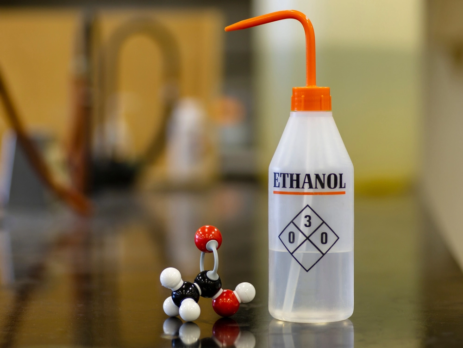
What is Ethyl Alcohol?

Ethyl alcohol, also known as ethanol, is a type of alcohol widely used across multiple industries. It is best known as the primary ingredient in alcoholic beverages, but it also has applications in medicine, personal care products, and even fuel.Its versatility and widespread use make it one of the most important organic compounds in the modern world, with uses ranging...

Everyday Science for Primary School Children: How Chemistry Is All Around Us

Chemistry isn’t all test tubes and laboratories. It’s the study of how things interact, change, and react, making it an essential part of understanding the world.The fizz in a drink, the way soap cleans our hands, and the way metal rusts in the rain all have scientific explanations that can open doors of understanding for growing minds.Understanding these everyday moments...

Can I Use Deionised Water Instead of Distilled Water?

Water purity is essential in many applications, from laboratory experiments to medical procedures and car maintenance. When choosing purified water, two common options are deionised and distilled water, which both undergo treatment processes to remove impurities.This may make people think they’re interchangeable, but this isn’t true -  they aren’t identical in either composition or function.The choice between the two depends...

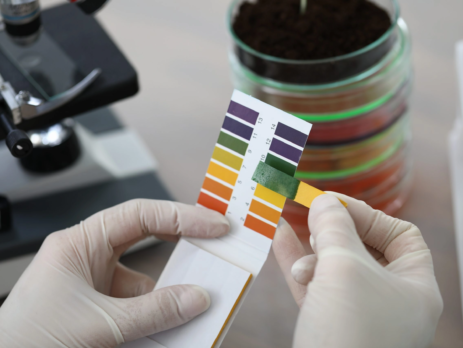
Chemistry Neutralisation In Everyday Life

From balancing our bodily functions to maintaining clean surfaces, neutralisation reactions play a vital role in daily life. These chemical reactions help counteract the effects of acids and bases, ensuring that everything from personal care to industrial processes runs smoothly.While you may associate chemistry neutralisation with laboratory experiments, it is a process that occurs constantly in our homes, workplaces, and...

5 Fun Science Experiments for Children

Science doesn’t have to be all serious lab coats and complicated theories. There are plenty of fun and exciting science experiments for children that will spark their curiosity and teach them some cool science at the same time.From making slime to growing salt crystals, these simple yet fascinating experiments are great ways to engage kids in hands-on learning. The best...

What is Immersion Oil?

Immersion oils improve the resolution and brightness of images viewed through a microscope, owing to their optical and viscosity characteristics. Microscopy wouldn’t have advanced to where it is today without the use of immersion oil. Without it, the resolving power of light microscopes in revealing the details of cells would have hit a brick wall. Key Takeaways Immersion oils increase magnification...

What Do Children Learn in Primary School Science?

Primary school science introduces children to the wonders of the world around them, and encourages them to ask big questions. Whether through exploring the growth of plants to understanding forces and motion, science lessons build curiosity and a sense of discovery.Through hands-on investigations and practical activities, children develop critical thinking skills and a deeper appreciation for the world around them.This...

What Is An Alkali In Chemistry?

Alkalis are substances with unique properties that play a vital role in chemical processes, both in everyday life and in industrial settings alike. With identifiable features like its soluble structure, where it sits on the pH scale, and how they interact on the ionic level with other atoms and molecules set them apart from their counterparts, acids, as well as...

What is Methyl Orange?

Methyl orange is a fascinating chemical indicator used in scientific and educational settings alike. Its ability to change colour depending on the pH of a solution makes it an invaluable tool for chemists, particularly in titration experiments. It works by colouring alkaline and neutral water yellow. Once an acidic substance is added, the water turns red. This makes it invaluable in...

About The Chemistry Blog

At The Chemistry Blog, we want to inform and educate people about chemistry, the chemical industry, and the uses, benefits, and applications of different chemicals, from isopropyl alcohol and buffers to standard solutions. No matter what it is you’re looking for, you’ll find plenty of chemical information here.

The Chemistry Blog is also home to a massive range of educational resources. Whether you’re studying for your upcoming GCSE or A level exam, or want to know more about how to pursue a degree in chemistry, there’s a wealth of information at your fingertips. Beyond this, our series of articles on apprenticeships in the chemical industry help equip aspiring scientists with the knowledge they need to take that next step in their career.

The Chemistry Blog also provides information on specific fields in the chemical industry, from biotechnology to biochemistry to analytical chemistry, and explores the science behind key topics and chemical phenomena, like titration and distillation. Plus, if you’re looking to grapple with more complex subjects, feed your appetite with articles like the decomposition of hydrogen peroxide or the reaction between hydrochloric acid and sodium thiosulphate.

But you don’t have to be a science pro or student to enjoy what we have on The Chemistry Blog. Have you ever wondered about the chemicals in swimming pools or oven cleaners? Do you want to get the most out of that jar of baking soda in your cupboard, or learn how to remove sticky labels using some rubbing alcohol? The Chemistry Blog is home to tons of articles that explore the applications and science behind common household chemicals so that you can better understand the things you use everyday. So, whether you’re a student, a science buff, or simply curious, there’s something for everyone on The Chemistry Blog!


How can ReAgent help you?

Send us a message and our friendly team will get back to you within one business day.

What happens to my enquiry?

Your message is sent directly to our dedicated customer service support team where it is distributed to the department best suited to help you. During office hours one of our staff members will promptly email you back or give you a quick call to discuss your requirements or respond to your question. All without obligation or sales pressure. We are here to help you, and are dedicated to “above and beyond” levels of customer service.

Prefer to call?

Call us FREE on 0800 9555 798. Overseas? Call +44 1928 716903. Available 8:30am – 5pm, Monday to Friday.

Customer Service
“All enquiries are treated as confidential – we never share your details”
Kerry
Customer Service
Sales Director
“Our manufacturing facility is accredited to ISO 9001, ISO 13485, ISO 14001 and ISO 45001”
Darren
Technical Director
Account Director

“We provide comprehensive technical support with every enquiry”
Jo
Account Director

Jane Fletcher
Google
5/5
Always have excellent service from yourselves from ordering product to delivery.
Kevin Wallcroft
Google
5/5
A particularly easy to deal with chemical company. I telephoned, got all the advice needed with excellent friendly service. My chemicals arrived the very next day. Very happy!
Joanne King
Google
5/5
Fast efficient service, was kept updated on order throughout. Can not fault ReAgent sales and delivery processes.
Hebe Arat
Google
5/5
Their customer services were very helpful, sending us all the lab reports we needed, before we even bought from them. Then, once we ordered the product came very quickly.

Search the chemicals you need by product name, product number, or CAS number:

What is Ethyl Alcohol?