The Chemistry Blog

Chemical uses, chemistry information and industry news

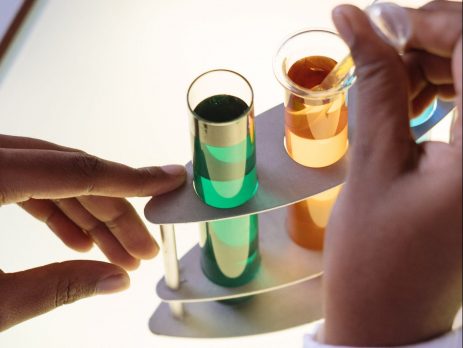
What Is A Chemistry Apprenticeship?

Like many other types of apprenticeships, chemistry apprenticeships are a great way of developing your skills and experience in this particular field.From chemical engineering to laboratory analysis, there is a wide range of apprenticeships available in chemistry.Finding the right apprenticeship for you will depend on your experience, education, its compensation package, and your field of interest. What Are Apprenticeships? The...

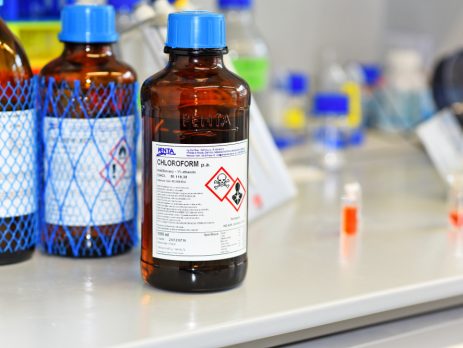
What Is Chloroform?

Chloroform (CHCl3), also known as trichloromethane, is an organic and highly volatile compound that is produced both naturally and industrially.Previously used as an anaesthetic during surgery, and now as an industrial solvent in manufacturing chemicals, chloroform has a wide variety of applications.This article explores the many aspects of chloroform, from how it is used and how it works,...

What Can I Do With A Biochemistry Degree?

If you’re wondering what you can do with a biochemistry degree, you have many options from teaching and research to medicine.If you are already pursuing a biochemistry degree, you likely have a bright future ahead of you. You can either pursue a career in scientific research or use your degree as foundation for a career in medicine. Biochemistry graduates can...

Sulfuric Acid In Everyday Life

Sulfuric acid plays an essential role in various industries, particularly as a precursor and a reagent in a wide range of chemical reactions.Mass-producing different types of industrial products like plastics would not be possible without sulfuric acid, but its importance in everyday life is often taken for granted or overlooked by most people.Aside from industrial uses, sulfuric acid also...

Where to Study Chemistry in the UK

Opting to study chemistry and following it as your career path can in itself be a challenging life decision, but it’s also a rewarding one. Those who have a chemistry-related degree can, for instance, work in fossil industries, medical fields, research, and education, amongst many more.  But, in the UK, choosing where to take your path is something that needs...

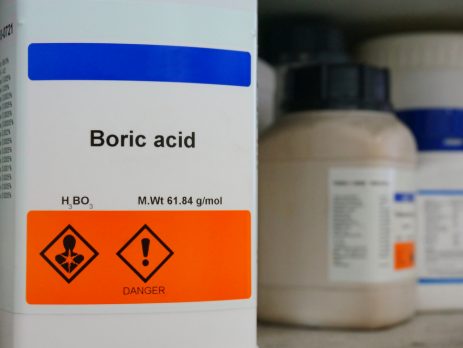
What Is Boric Acid?

Boric acid is a weak, naturally occurring acid. As the name suggests, boric acid has the element boron as its anion component. Its other chemical constituents are hydrogen and oxygen.In purified crystalline form, boric acid is white, odourless, and almost without any taste. Depending on the refinement process, it either resembles fine table salt or baby talcum powder. What Are the...

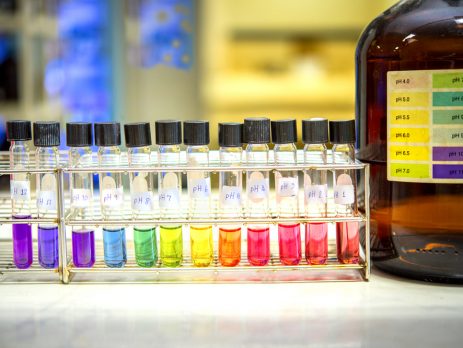
What Is A Chemical Indicator Used For?

Many industrial chemical processes and tests require chemical indicators to determine when certain thresholds are reached. Which processes a chemical indicator is used varies depending on the intended application.Chemical indicators are also used to determine the presence of certain chemicals, such as specific pollutants in water. Although it is not as accurate or as precise as spectroscopy or chromatography in...

What Is A Buffer Solution?

In order to understand what a buffer solution is, it’s firstly helpful to understand that many natural chemical reactions and biological processes require a specific pH range - from 0-14 - in order to take place.For example, the ideal soil pH to grow rice is 6. If the pH level becomes too basic or too acidic, the rice will...

Why Is PPE Important in the Workplace?

Why is PPE important in the workplace? Well, using personal protective equipment, or PPE, depends on the degree of hazards. The type of PPE used should be according to the danger posed.For instance, if you are working as a welder, you should wear a welder mask or at least goggles. The mask or goggles can protect you against intense bright...

About The Chemistry Blog

At The Chemistry Blog, we want to inform and educate people about chemistry, the chemical industry, and the uses, benefits, and applications of different chemicals, from isopropyl alcohol and buffers to standard solutions. No matter what it is you’re looking for, you’ll find plenty of chemical information here.

The Chemistry Blog is also home to a massive range of educational resources. Whether you’re studying for your upcoming GCSE or A level exam, or want to know more about how to pursue a degree in chemistry, there’s a wealth of information at your fingertips. Beyond this, our series of articles on apprenticeships in the chemical industry help equip aspiring scientists with the knowledge they need to take that next step in their career.

The Chemistry Blog also provides information on specific fields in the chemical industry, from biotechnology to biochemistry to analytical chemistry, and explores the science behind key topics and chemical phenomena, like titration and distillation. Plus, if you’re looking to grapple with more complex subjects, feed your appetite with articles like the decomposition of hydrogen peroxide or the reaction between hydrochloric acid and sodium thiosulphate.

But you don’t have to be a science pro or student to enjoy what we have on The Chemistry Blog. Have you ever wondered about the chemicals in swimming pools or oven cleaners? Do you want to get the most out of that jar of baking soda in your cupboard, or learn how to remove sticky labels using some rubbing alcohol? The Chemistry Blog is home to tons of articles that explore the applications and science behind common household chemicals so that you can better understand the things you use everyday. So, whether you’re a student, a science buff, or simply curious, there’s something for everyone on The Chemistry Blog!


How can ReAgent help you?

Send us a message and our friendly team will get back to you within one business day.

What happens to my enquiry?

Your message is sent directly to our dedicated customer service support team where it is distributed to the department best suited to help you. During office hours one of our staff members will promptly email you back or give you a quick call to discuss your requirements or respond to your question. All without obligation or sales pressure. We are here to help you, and are dedicated to “above and beyond” levels of customer service.

Prefer to call?

Call us FREE on 0800 9555 798. Overseas? Call +44 1928 716903. Available 8:30am – 5pm, Monday to Friday.

Customer Service
“All enquiries are treated as confidential – we never share your details”
Kerry
Customer Service
Sales Director
“Our manufacturing facility is accredited to ISO 9001, ISO 13485, ISO 14001 and ISO 45001”
Darren
Technical Director
Account Director

“We provide comprehensive technical support with every enquiry”
Jo
Account Director

Jane Fletcher
Google
5/5
Always have excellent service from yourselves from ordering product to delivery.
Kevin Wallcroft
Google
5/5
A particularly easy to deal with chemical company. I telephoned, got all the advice needed with excellent friendly service. My chemicals arrived the very next day. Very happy!
Joanne King
Google
5/5
Fast efficient service, was kept updated on order throughout. Can not fault ReAgent sales and delivery processes.
Hebe Arat
Google
5/5
Their customer services were very helpful, sending us all the lab reports we needed, before we even bought from them. Then, once we ordered the product came very quickly.

Search the chemicals you need by product name, product number, or CAS number:

What Is A Chemistry Apprenticeship?